Buying
What Listing Photos Don't Show: How to Evaluate a Home Before You Offer
By Mollie Younger October 23, 2026 8 min read
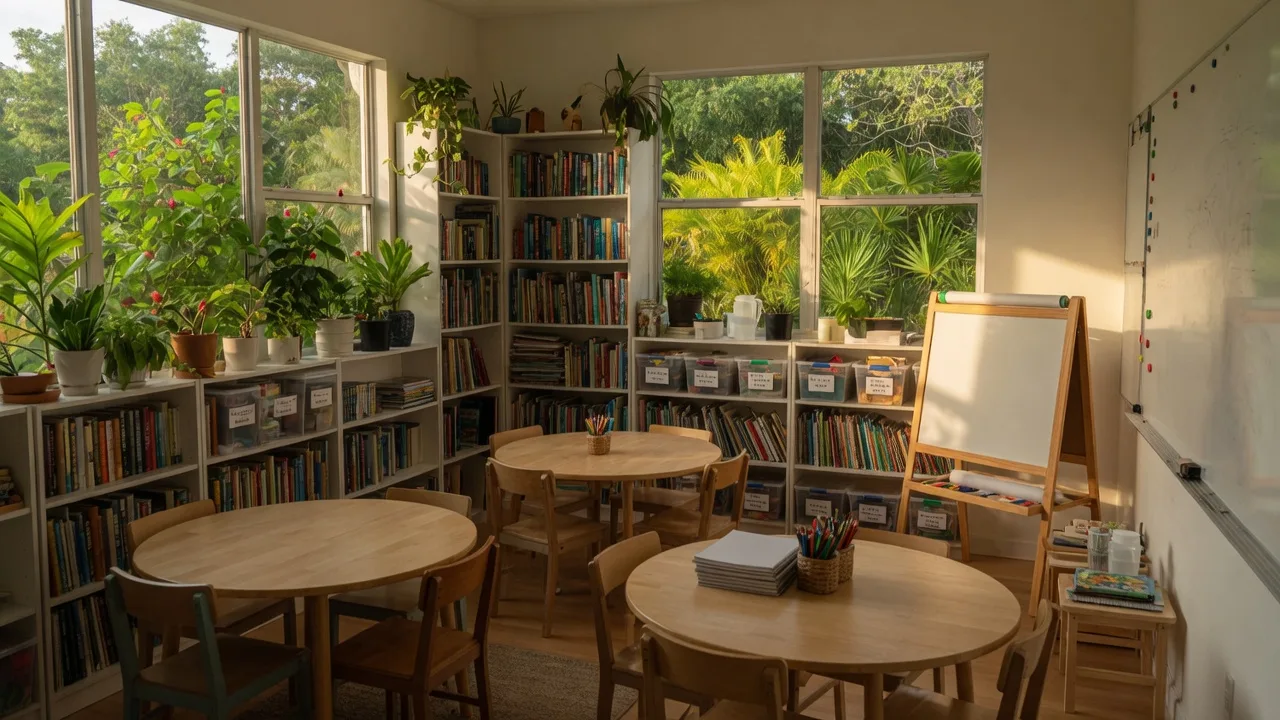
The pretty room in the photos is the easy part. Here's what I actually check on a walkthrough: the lot, the floor plan, the mechanicals, the roof, and the paperwork that tells the truth.
Here's the thing: listing photos are doing their job when they make you want to see the house. My job is to make sure you still want it after you look past the pretty room. I've walked thousands of homes over more than 24 years, and I bought my first one at 21 as an investment, so I tend to see a property the way a deal gets evaluated, not the way a camera frames it. Here's what I'm actually checking on every walkthrough, beyond what the photos show you.
Start outside, before you step inside
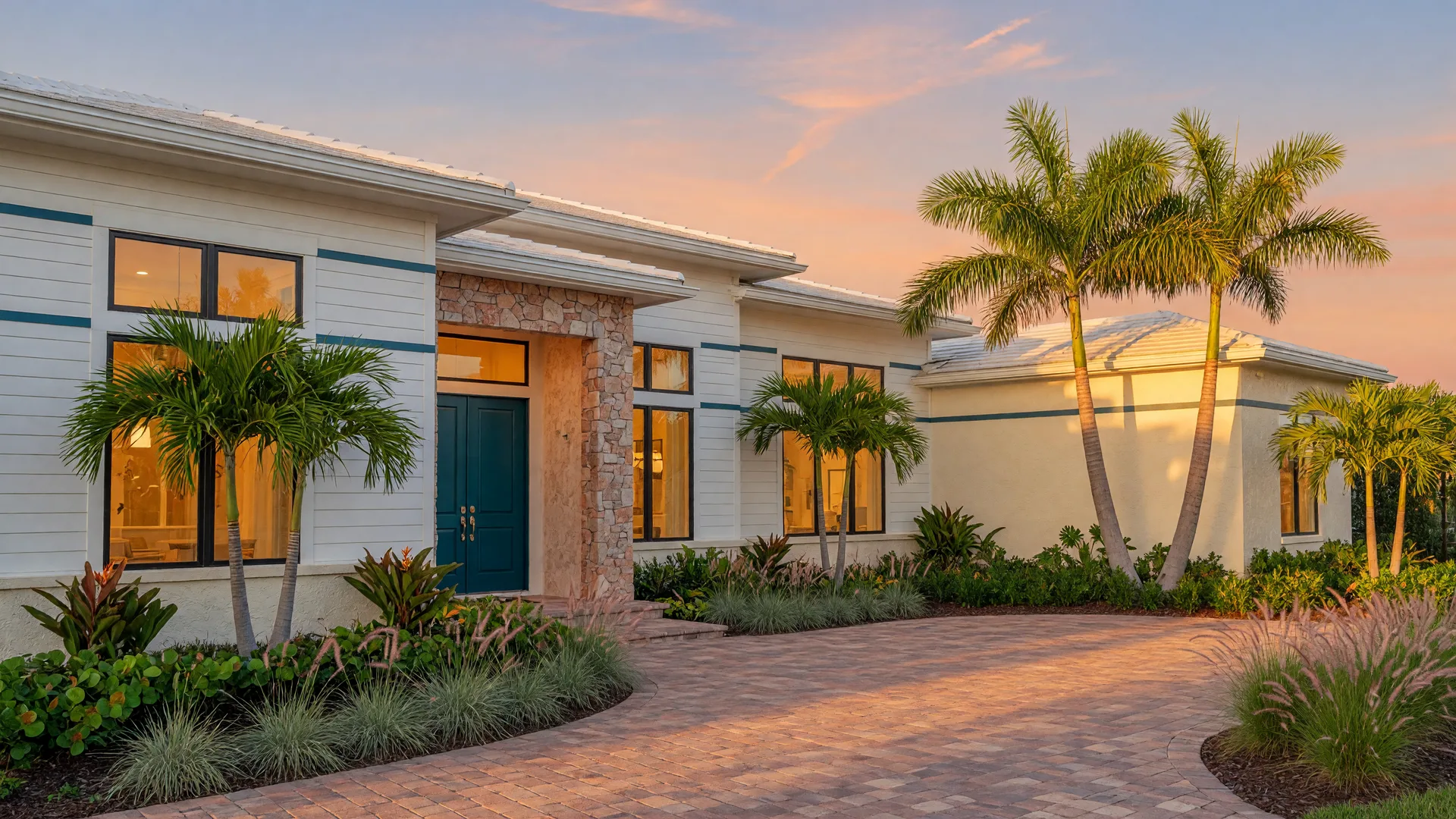
The first thing I do is stand in the street and look at the lot, not the house. Where does the water go? In Florida, that question matters more than almost anything inside the walls. After a good rain, drive by and look at the yard. If the neighbor's lawn holds puddles and this one drains, that's a point in the home's favor. Grading can be fixed, but it's never cheap, and it's the kind of thing nobody photographs.
Then look at what the photos cut off: how close the next house sits, whether the windows face your neighbor's driveway, where the sun hits the back patio at four in the afternoon in July, and whether the mature oaks that make the yard beautiful are also dropping limbs over the roof. Trees are one of the reasons I love Ponte Vedra, but a live oak canopy right on top of the house is a conversation to have before you offer, not after you close.
Walk the rooms the way you'll live them
Photos flatten a floor plan. You cannot feel flow from a picture, and flow is what you'll live with every single day. So walk the house the way you'd actually use it. Where do the groceries land when you come in? Can you see the whole great room from the kitchen? Is there a guest bath that doesn't require walking through a bedroom? The homes that feel great to live in usually answer yes to the boring questions, not the impressive ones.
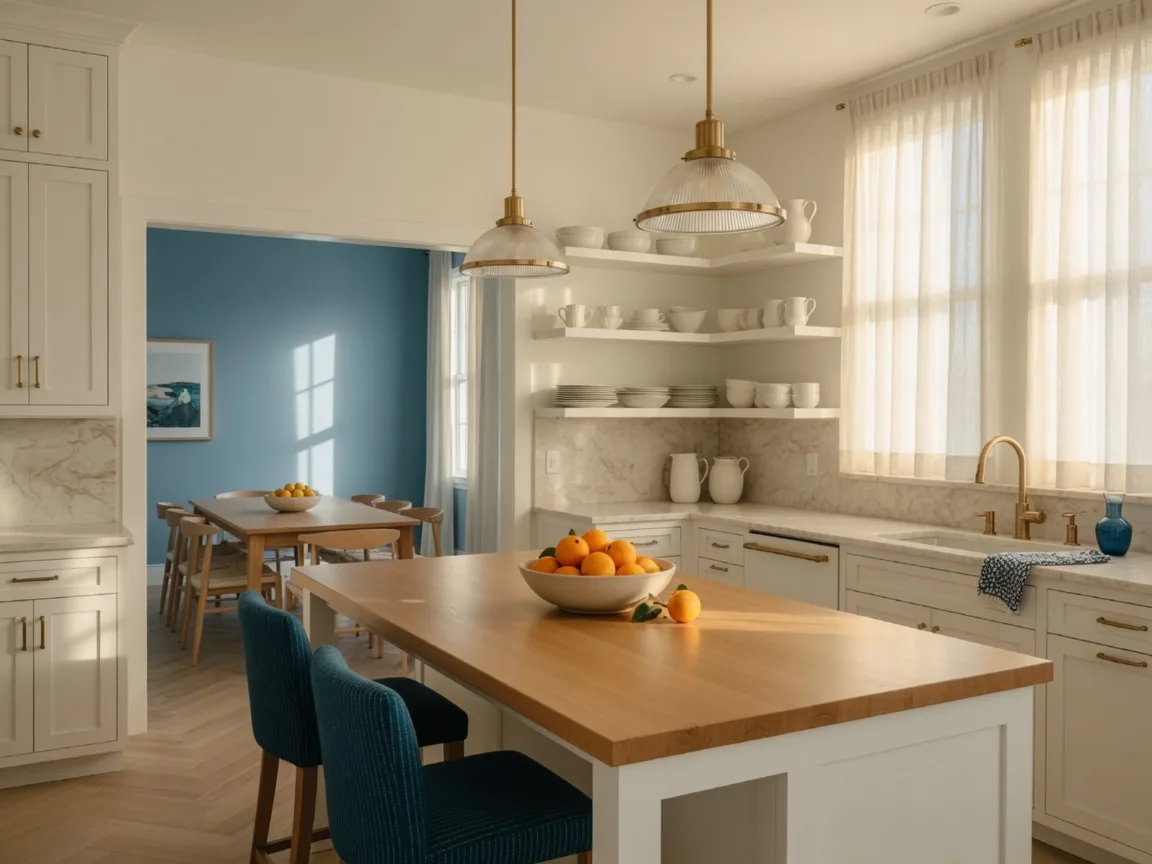
Bring a tape measure and be honest about your furniture. A fourteen-by-sixteen living room can photograph like a ballroom. Then stand in the rooms at the time of day you'll actually be there. A kitchen that faces east is bright at breakfast and cooking in the dark by dinner. You don't learn that from the listing.
This is also the moment to listen, because the noise never shows up in a photo. Stand still for sixty seconds. Can you hear the road, the neighbor's AC, or the golf carts rolling past the lanai at seven in the morning? In Nocatee and along the beach, quiet is a feature people pay real money for, and it never appears in the pictures.
The mechanicals are where the money hides
Anyone can see the new countertops. Nobody sees the twenty-year-old AC or the original water heater until June, and by then it's too late. Let's be honest: this is where buyers overpay, because the upgrades are visible and the systems are not.
HVAC
Find the outdoor unit and read the date code. A system past roughly twelve to fifteen years is living on borrowed time in Florida heat, and a full replacement runs into five figures depending on the house. If there's a second unit upstairs, ask how old it is and whether it's been maintained. That's the one that gets neglected.
Electrical and plumbing
Check the panel for the brand and the amperage. Some panel brands from past decades are flagged by insurers, and older homes can have wiring or plumbing materials that make carriers nervous or refuse to write coverage at all. If the house is from the nineties or early two-thousands, ask about the pipe material before you get attached.
The four-point inspection
On a home roughly twenty to forty years old, a Florida insurer will usually require a four-point inspection before writing coverage. It looks at exactly four things: roof, electrical, plumbing, and HVAC. It's a narrow report, not a full home inspection, but it tells you what the insurance market thinks of the bones, and that's information worth having before you fall in love.
The roof and the water, because this is Florida
Roof age is the biggest single line item in coastal Florida, because it drives your wind insurance. A newer roof with the right underlayment can earn a wind mitigation credit that lowers your premium for years. An older roof is a negotiation, and sometimes it's a deal-breaker. Get the roof's age and material in writing, and budget for a wind mitigation inspection as part of your due diligence.
Then look for water, because water is the story in every coastal home. Check ceilings and walls for stains, especially under windows and around the AC returns. Sniff the air for that sweet, musty smell. Look behind the refrigerator and under the sinks. A fresh coat of paint is cheap. The leak it's hiding is not.
Mollie says
Here's the mindset that keeps buyers sane: almost anything in a house can be fixed with money. What you can't fix with money is the lot, the floor plan, the direction the house faces, and the street it sits on. So spend your worry on the unfixable things, and treat the fixable ones as a line item in the budget. That's the difference between evaluating a home and just admiring one.
The paperwork tells you more than the photos
By the time I write an offer, the photos matter less to me than the documents. Here's the short list I want in my hands, and in this order:
- The flood zone, and if the house is near the water, the elevation certificate. That form shows how the house sits relative to the flood line, and insurers use it to price flood coverage. Two homes a block apart can live in completely different flood realities. I broke the whole thing down in [my flood zone guide](/blog/flood-zones-flood-insurance-ponte-vedra/).
- The HOA or CDD disclosures with the actual fee numbers and any pending special assessments. In Nocatee especially, the amenity lifestyle is wonderful and it has a real monthly cost. Read the budget, not the brochure.
- A survey, so you know where the property line actually runs and whether that fence, shed, and pool are where you think they are.
- The permit record. If the kitchen was renovated or a room added, you want proof it was permitted and inspected. Unpermitted work becomes your problem after closing.
- Two insurance quotes and one inspection, before you get attached. In coastal Florida, coverage availability is a feature of the house, just like the pool or the garage. [The hidden-cost list](/blog/hidden-costs-coastal-florida/) walks through everything else people forget to budget.
Bring someone who looks, not someone who loves
A good inspector and a good agent do different jobs, and you want both. The inspector's job is to report what is: the age of the systems, the condition of the roof, the signs of water. The agent's job is to tell you what it means for your specific life and your budget. You don't know what you don't know, and the whole point of a walkthrough is to find out before you sign, not after.
When you're buying from another state, this all gets harder, because you're judging homes from a screen and a weekend trip. That's exactly why I walk my out-of-town buyers through this list before we ever write an offer, and why I'll tell you straight when a home isn't the right fit. I covered the full process for remote buyers in How to Buy a Ponte Vedra Home From Another State.
The right move, not just any move
The listing photos are the marketing. This list is the reality check, and I want you to have both before you decide. When you're ready to compare the communities that fit your life, start with the community guides, and when you want to walk a home with someone who will tell you the truth, that's what I'm here for. Start the conversation, or book a private consultation and let's make a smart, confident move together.

Written by
Mollie Younger
Ponte Vedra real estate advisor, dual-state broker, mother of a relocated family. 25+ years in real estate, 400+ homes sold. She sees the whole move, not just the house.
About MolliePlanning a move to northeast Florida?
Bring me your situation and I'll bring you the truth: which communities fit, what the budget math looks like, and how the whole move comes together.