
Family Life
Moving During the School Year vs. Over Summer: What Relocating Families Should Know
By Mollie Younger September 30, 2026 8 min read
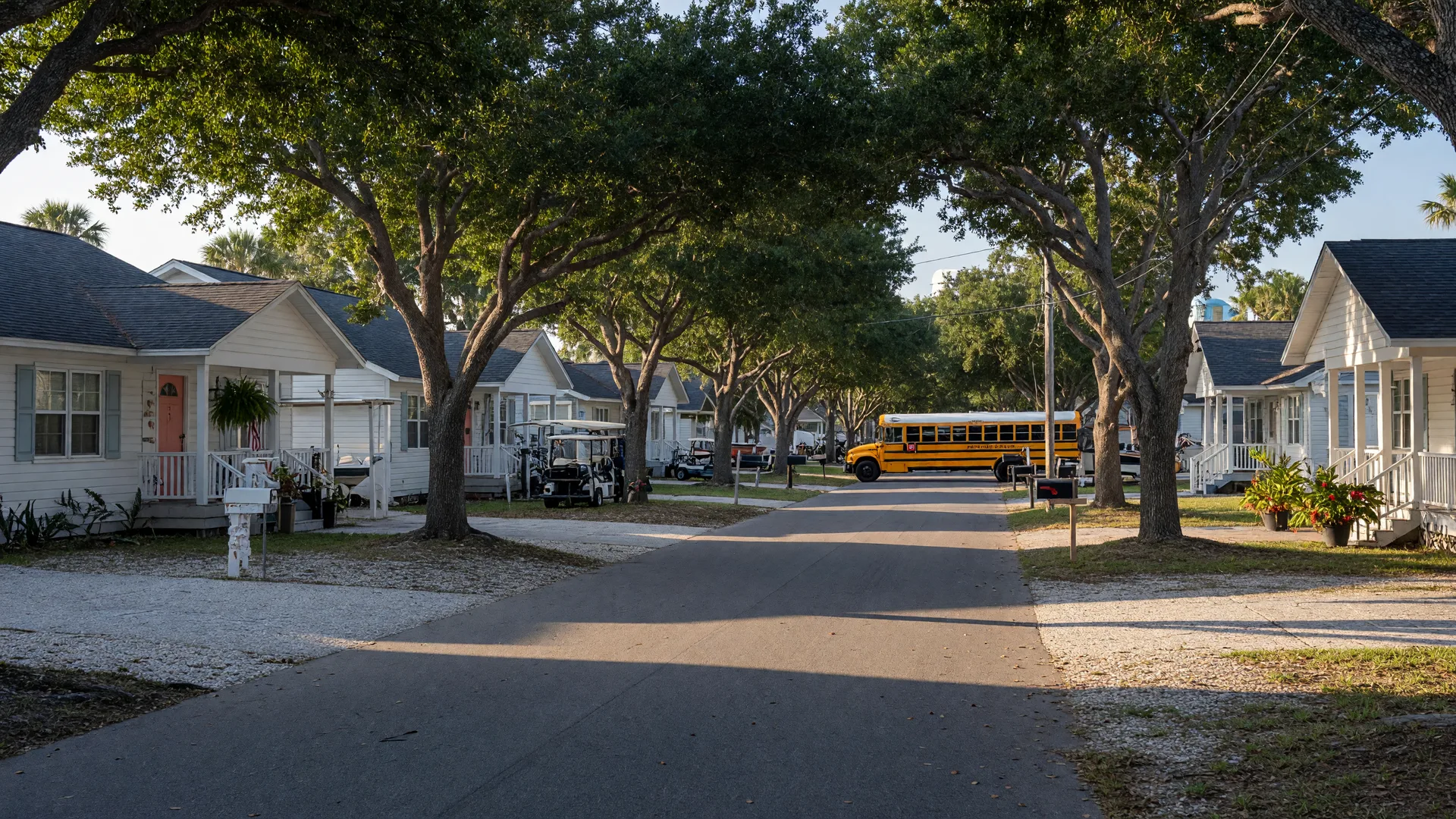
Should you move during the school year or over summer? A Ponte Vedra agent breaks down the real tradeoffs, the kindergarten cutoff, and how to time the move well.
Here is the thing: the school calendar is usually the first hard deadline in a relocation, and most families assume summer is automatically the better time to move. The honest answer is that it depends on your kids, your timeline, and how much buffer you need before the first day. In St. Johns County, the 2026-2027 school year starts Monday, August 10, 2026, and ends Friday, May 28, 2027, and the district registers new students at their home-zoned school year-round. This guide walks through what moving during the school year versus over summer actually costs your family, and how to time the move so the transition lands well.
Why summer feels safer than it is
Summer moves sound ideal: no missed school, a clean break, and a whole season to unpack. But in Northeast Florida, summer is also the hottest, most competitive, and most expensive stretch of the year. Buyers compete harder for the same inventory, prices run at their seasonal peak, and moving day in July or August heat is genuinely rough on everyone. If you are also selling a home in another state, you are stacking two of the year's biggest transactions into one window with the school year bearing down on you. And with the calendar starting August 10, a move in early August gives you almost no runway at all.
What a mid-year move actually looks like
A move during the school year means your kids start at a new school with the year already in motion. That is harder in some ways and easier in others. There is no first-day-of-school pressure for them to compare against; they simply show up, get a tour, and begin. Teachers and counselors are usually more available mid-year to help a new student settle, because classroom routines are already established. The real cost is the activity calendar: sports tryouts, club sign-ups, and school events often have enrollment windows that close before you arrive, so a fall move can mean waiting until the next season or the next year to join a team. That matters more for an athlete, or for a kid who makes friends through activities.
The summer move, done right
If you can land between early June and mid-July, you get the best of both worlds: a real summer to unpack, meet neighbors, and let the kids find the parks, pools, and bike routes before school starts, then a clean first day in August. The catch is that summer in St. Johns County is a moving target. With the 2026-2027 calendar starting August 10, a closing in early August leaves almost no buffer, and a closing in mid-August means starting mid-year anyway. I want you to understand the why: the buffer between closing and the first school day is the whole game. Six weeks is comfortable. Two weeks is a sprint.
The kindergarten cutoff nobody mentions
Kindergarten eligibility is a hard line with a hard deadline. In St. Johns County, a child must turn 5 on or before September 1 and live in the county to enroll for that school year. If your child's birthday falls anywhere near that date, the timing of your move can decide whether they start kindergarten this year or wait a year. That is a decision families should make on purpose, not discover at registration, so it belongs on the calendar before you pick a closing date.
What to check before you commit to an address
- Run the exact address through the district's attendance-zone locator. The zone is tied to the street, not the neighborhood name or ZIP code, and two streets in the same community can have different schools.
- Ask whether boundary changes are pending. St. Johns County has opened new schools and adjusted zones as the county grows, so the map can shift between the year you buy and the year your child enrolls.
- Confirm the registration checklist for new families, including the documents the district requires at enrollment.
- Check the school's start and end times against your commute and your work travel, because drop-off and pickup shape the daily routine more than most families expect.
- If you are moving mid-year, ask how the school handles late enrollment, records transfers, and placement.
Use the district's resources, not the rumors
The district publishes everything you need, and I want you to use the official sources rather than the neighborhood chatter: the attendance-zone locator for address-level assignments, the enrollment pages for the registration checklist, the 2026-2027 registration notice, and the district calendar for start and end dates. Boundaries can change as the county grows, so check by address, then check again closer to your move.
Where this fits in your move plan
The school calendar is one line in a bigger timeline, but it is the line that sets the deadline. If you are starting from scratch, the month-by-month relocation timeline walks through the whole sequence, and the school-zone guide explains how attendance zones work before you commit to an address. The calendar sets the deadline, the zone sets the address, and the rest is logistics we can plan together.
Mollie says
Let's be honest: nobody moves to Ponte Vedra for the convenience of moving. You move here for the life you are building. The right move, not just any move, means putting the school calendar on the table early, checking the district's current zone maps by address, and planning the buffer your family actually needs. That is a plan we can build together.

Written by
Mollie Younger
Ponte Vedra real estate advisor, dual-state broker, mother of a relocated family. 25+ years in real estate, 400+ homes sold. She sees the whole move, not just the house.
About MolliePlanning a move to northeast Florida?
Bring me your situation and I'll bring you the truth: which communities fit, what the budget math looks like, and how the whole move comes together.