Lifestyle
Oceanfront vs. Intracoastal in Ponte Vedra Beach: Which Water Fits Your Life?
By Mollie Younger October 13, 2026 9 min read
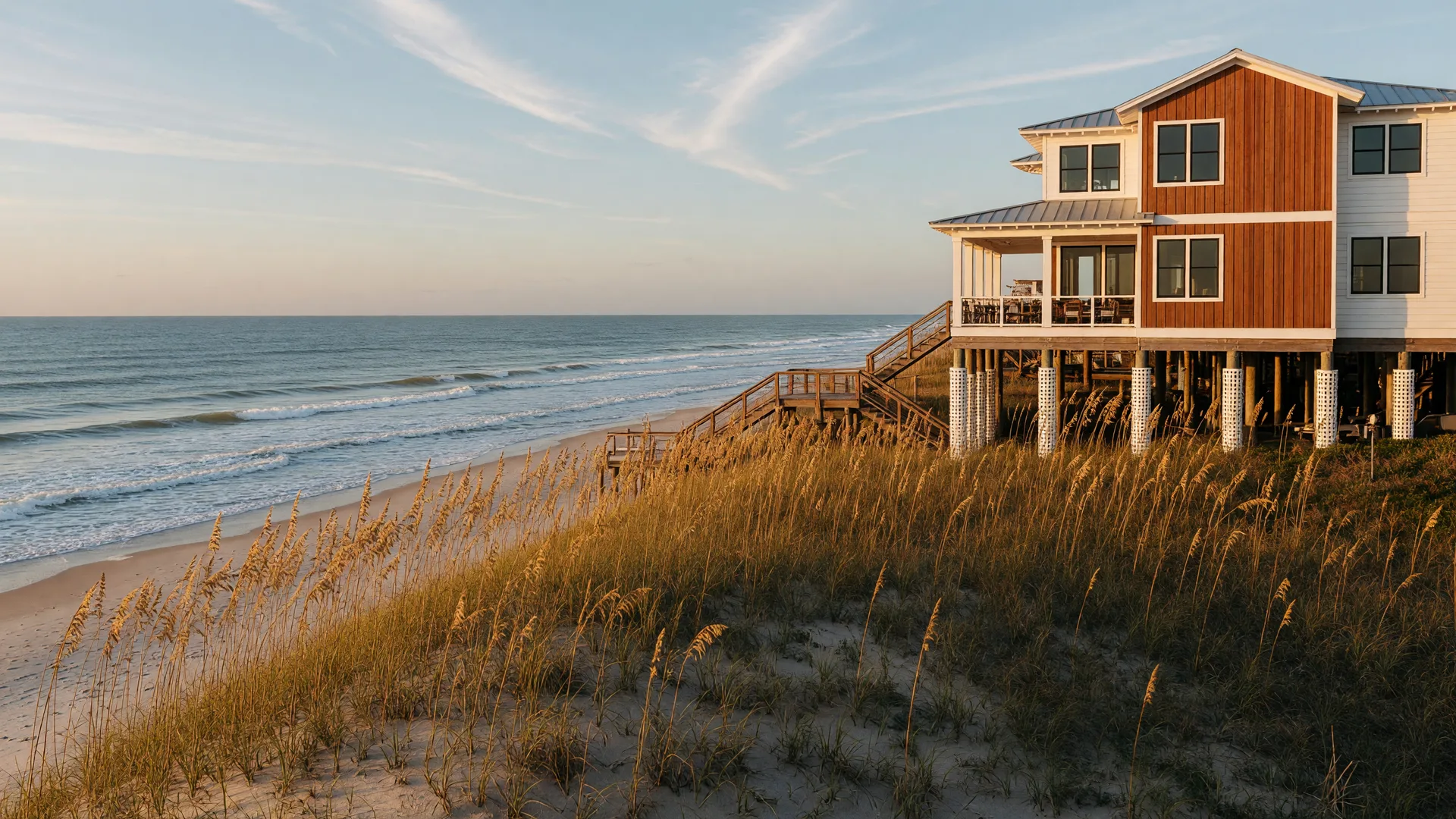
Oceanfront or Intracoastal in Ponte Vedra Beach? The honest comparison: what each costs, flood zones, insurance, boat access, erosion, and which water fits your week.
Here's the thing: when relocating families say they want waterfront Ponte Vedra, they usually mean one of two very different lives. Oceanfront means the Atlantic at your door, dunes, salt air, and the surf as your background music. Intracoastal means a private dock on calm, protected water, marsh views, and a boat tied up steps from your kitchen. Both are expensive. Both are wonderful. They are not the same purchase, and the difference runs through price, flood zones, insurance, erosion, and how you actually spend a weekend.
The price gap is real, and it is not small
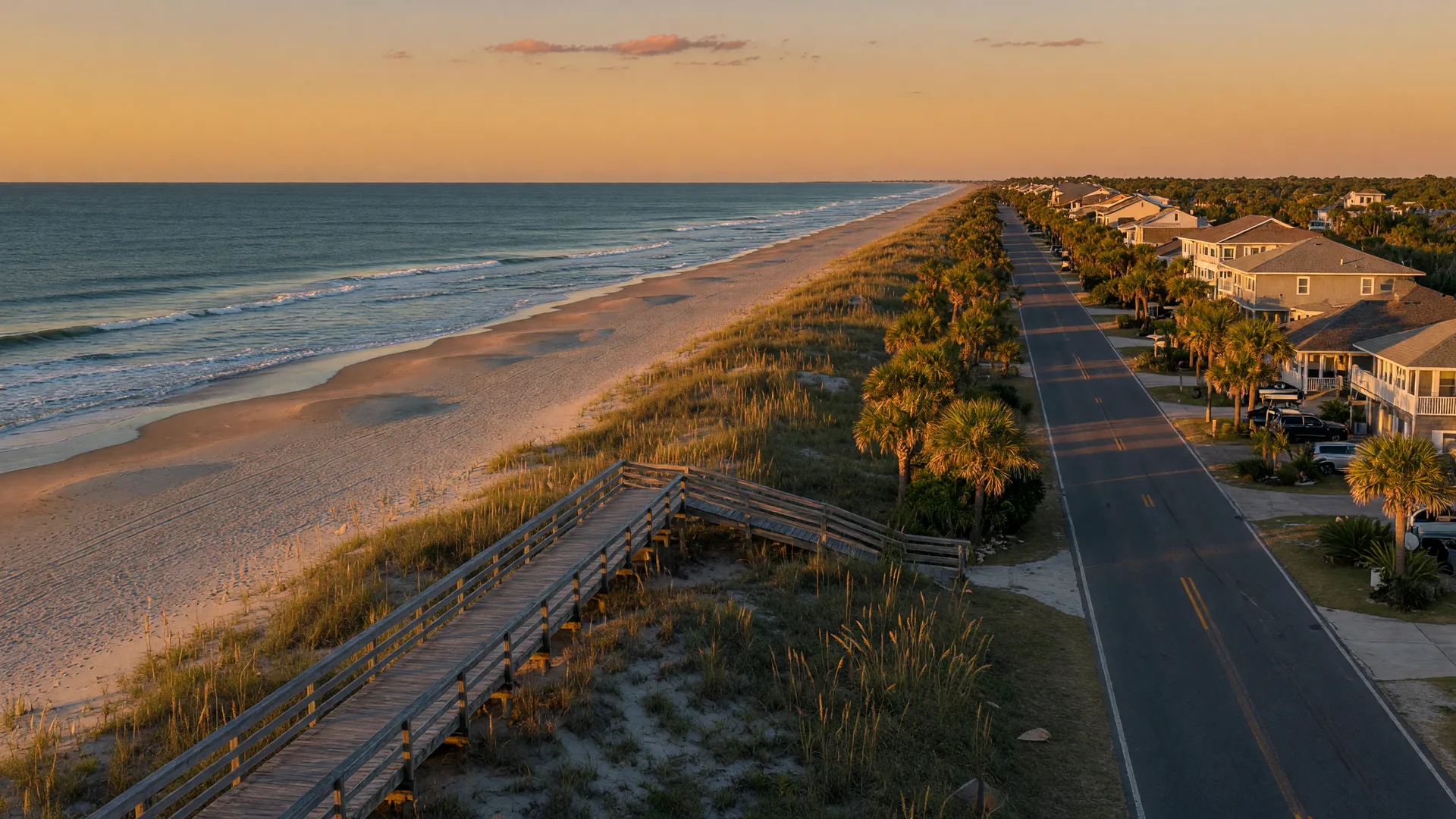
Direct Atlantic frontage is the rarest inventory in Ponte Vedra Beach, and the market prices it that way. Oceanfront single-family homes along the Boulevard typically run from roughly $2 million up past $20 million, with the big estate properties at the top of that range. Intracoastal waterfront homes, mostly along Roscoe Boulevard and inside Marsh Landing's Harbour Island, typically sit in the $1 million to $5 million range, with the deep-water Harbour Island estates reaching higher. For comparable single-family homes, the oceanfront side commonly costs two to four times the Intracoastal price. That is the honest math, and it is the first question to answer before you fall for a listing: which water, and what is the budget for the life that comes with it?
What daily life actually sounds like
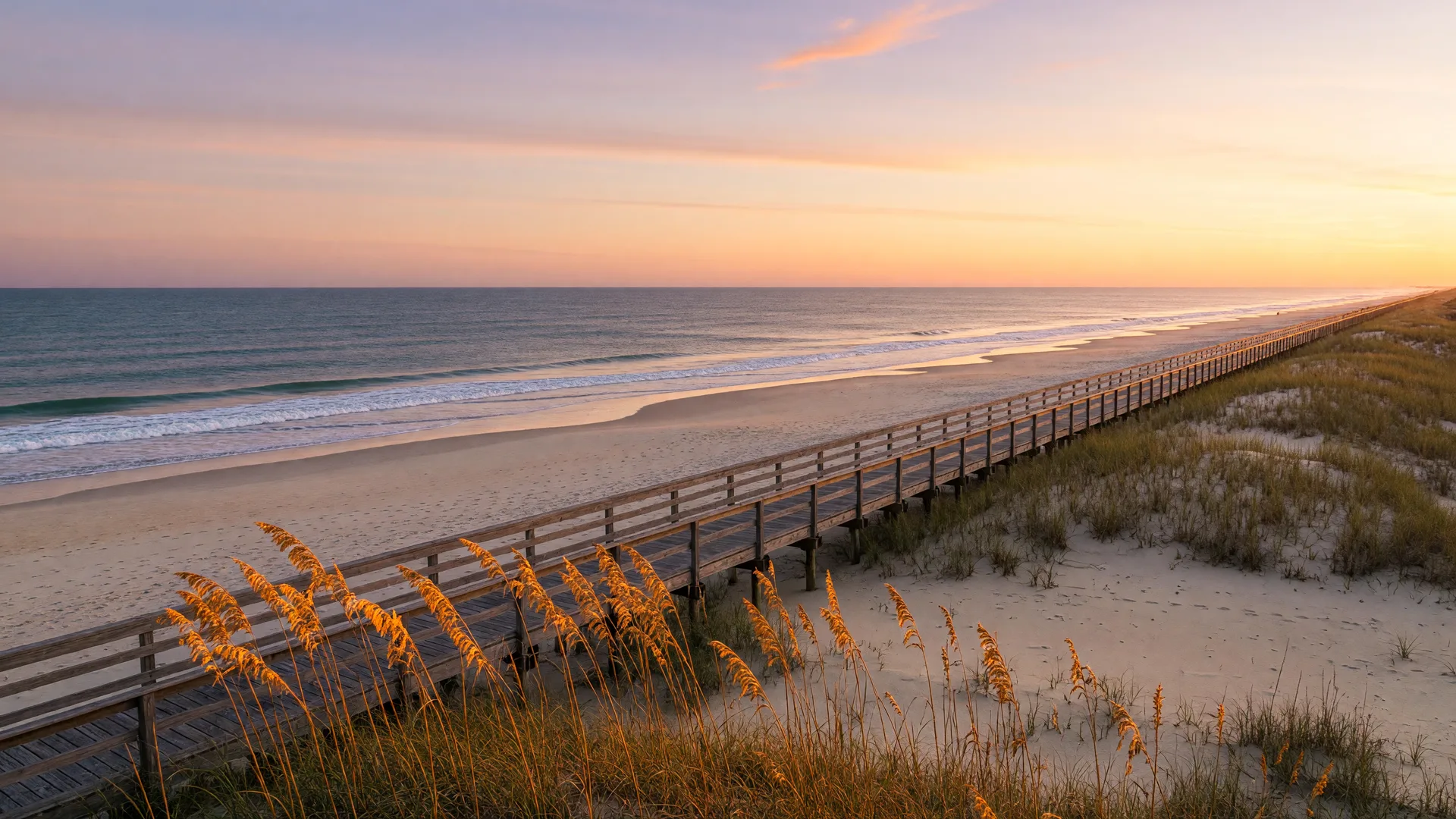
Oceanfront is a sensory life. You wake to the surf, the windows run with salt, and the beach is measured in steps, not car trips. The tradeoff is that the beach is also your front yard: summer weekends bring visitor traffic, the sand finds its way into everything, and salt air is hard on exterior hardware, window frames, and anything metal. An oceanfront home is a maintenance commitment, full stop.
Intracoastal is a calmer, more private rhythm. The water is protected, so it stays flat when the ocean is rough. You can kayak at dawn, fish off your own dock, and be on the boat in five minutes. The tradeoff is that the view is often across the marsh to the far shore rather than an endless horizon, and the boat life comes with its own chores: dock maintenance, sea walls, and the tide math that decides when you can actually get out.
The east vs. west of A1A guide covers the bigger neighborhood split, but the water question is its own axis: which side of the house do you want your mornings to face?
Flood zones: VE versus AE, and what that means for your policy
This is where the two waterfronts separate on paper. On the current FEMA maps, the Atlantic-facing oceanfront blocks of Ponte Vedra Beach sit in Zone VE, the coastal high hazard area: the 1% annual flood risk plus storm surge and wave action, think waves three feet and higher pushing against the structure. Intracoastal and marshfront homes sit in Zone AE, the same 1% risk with a detailed Base Flood Elevation but no mandated wave-velocity hazard.
Both zones require flood insurance when there is a federally backed mortgage, and both are real line items. VE premiums run materially higher: typical AE policies in Florida run roughly $650 to $2,500 a year, while VE policies commonly run $1,800 to $5,500 and up. Since FEMA moved to Risk Rating 2.0, the premium is driven by the individual property, its elevation, and its distance to the water, not just the zone letter, so the only number that matters is the quote for the actual house. I walk through VE, AE, and X in detail in the flood zone explainer, and you can check any exact address on FEMA's Flood Map Service Center. The move is always the same: ask for the current owner's insurance policy before you write an offer.
The boat question: who can actually get out on the water
If the boat is the point, the Intracoastal side wins, and it is not close. Roscoe Boulevard has direct Intracoastal frontage with private docks on large lots. Marsh Landing's Harbour Island is the area's only deep-water marina, an internal yacht basin of roughly 90 slips inside a gated golf community. In Palm Valley, the Tolomato River corridor offers sheltered deep-water access with a direct route to the Atlantic.
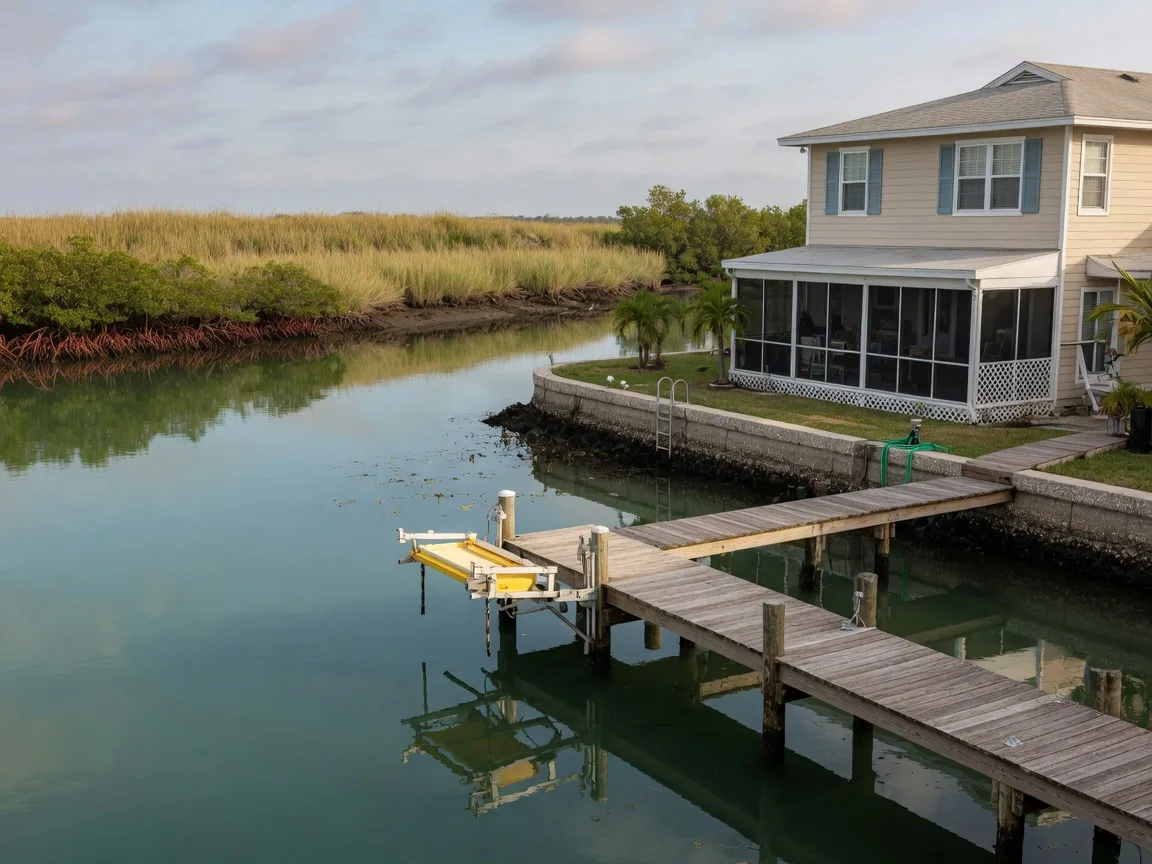
The honest caveat: dock depth varies by property, and the tide is the boss. Tides at the Palm Valley Bridge swing roughly four and a half to five feet, so a dock that looks fine at high tide can sit in the mud at low tide. Before you buy, confirm the channel depth at low tide, the permitted slip size, and, on a canal or creek lot, whether the owner or the community maintains the depth. A boat you cannot float at low tide is an expensive ornament.
Erosion: the oceanfront reality nobody puts in the listing
Let's be honest about the beach itself. A stretch of Ponte Vedra Beach has been officially classified as critically eroded by the state, and the county's answer was the $38.6 million Ponte Vedra Beach Restoration Project, completed in mid-2024. It placed roughly two million cubic yards of sand along about nine miles of shoreline, from the Duval County line south to the Guana reserve, rebuilding dunes to 13 to 18 feet and widening the beach by 40 to 180 feet in places. The county's project page has the full story.
That project bought the beach real width, and it was a genuine win for the town. But renourishment is maintenance, not a one-time fix. The ocean keeps doing what oceans do, and future projects will be part of the story. Buyers on the oceanfront side should understand that the beach in front of the house is a managed asset, paid for by the county and the state, not a permanent feature. The Intracoastal side does not have that drama: the water is contained, the shoreline is stable, and the maintenance conversation is about your dock and your sea wall instead of the coast.
Who should choose which
- Choose oceanfront if the beach is the reason you are moving: morning walks on the sand, surf as the soundtrack, and you accept the salt-air maintenance, the higher insurance, and the premium price as the cost of the life.
- Choose Intracoastal if you want the water without the weather: a boat life, calm paddling, marsh privacy, and a quieter, more stable shoreline, often on bigger lots for less money.
- Choose either only after you have the real numbers: the flood zone for the exact address, the current insurance premium, the dock depth at low tide, and the resale picture for that specific street.
Questions to ask before you write an offer
- What flood zone is this exact parcel in, and what does the current owner pay for flood insurance?
- If oceanfront: when was the last renourishment, and what is the condition of the dune line and the walkover?
- If Intracoastal: what is the depth at my dock at low tide, who maintains the channel, and what is the permitted slip size?
- How old are the sea wall, the dock, and the boat lift, and what do they cost to replace?
- What does the resale history on this street look like, and how long do homes at this price point sit?
The honest takeaway
Neither waterfront is better. They are different lives, and the families who love their choice knew which life they were buying before they made the offer. I want you to understand the why: the oceanfront premium buys the beach at your door and the maintenance that comes with it; the Intracoastal price buys the boat, the calm water, and the privacy. Tell me which one your family actually wants to live, and I will tell you where to start looking.
Before you book the movers, the real cost of living breakdown, the hidden costs of coastal Florida, and the community comparison will fill in the rest of the picture.
Mollie says
Let's be honest: 'waterfront' is the most romantic word in a Ponte Vedra listing and the least specific. The right move, not just any move, starts with which water fits your week, then the flood zone, then the insurance quote, then the house. That is a conversation I love having. [Book a private consultation](https://calendly.com/mollieyounger/living-in-north-east-florida) or [send me your question](/contact/), and let's figure out which side of the water you belong on.

Written by
Mollie Younger
Ponte Vedra real estate advisor, dual-state broker, mother of a relocated family. 25+ years in real estate, 400+ homes sold. She sees the whole move, not just the house.
About MolliePlanning a move to northeast Florida?
Bring me your situation and I'll bring you the truth: which communities fit, what the budget math looks like, and how the whole move comes together.