Family Life
Helping Kids Adjust After a Long-Distance Move: What Actually Worked for Us
By Mollie Younger October 16, 2026 8 min read

Moving your kids to a new state is the part no spreadsheet covers. What helped our family relocate to Florida: routines, friends found first, and the honest settling timeline.
Let's be honest: the house hunt is the easy part of a long-distance move. The hard part is the moment you tell your kids you're leaving everything they know. I've lived this one. We moved our family from Kentucky to Florida, and no matter how much I researched schools and neighborhoods, nothing fully prepared me for watching my kids leave their friends. So this guide isn't about school zones or price per square foot. It's about the thing most relocation guides skip: how you actually help children adjust when their whole world changes at once.
Why I'm writing this from the middle of it
I tell the full story of our own move in this post, but the short version is that I was the parent who carried the spreadsheets. I researched the schools, the commute, the resale values, the whole logistics puzzle. And I still underestimated what the move would ask of my kids. You don't know what you don't know, and the part I didn't know was that children grieve the life they're leaving even when the new life is genuinely good. That's normal. It doesn't mean you made the wrong move. It means they're human.
Have the honest conversation before the truck shows up
The biggest mistake I see relocating families make is either treating the move as a surprise to manage or handing the kids a veto they were never going to get. Kids don't need a vote. They need a story they can hold onto. Sit down together and tell them the why: the new job, the grandparents, the pace of life, whatever the real reason is. Then name what stays the same. Their room. Their favorite shows. The holiday traditions. The dog. The things that don't change become the anchor points when everything else shifts.
And be honest about what will be hard. Kids can smell a sales pitch a mile away, and the wait-until-you-see-the-sunshine version falls apart the first time they're lonely. Let them be sad. Sadness and excitement can live in the same week, sometimes in the same hour.
Make the new place real before you get there
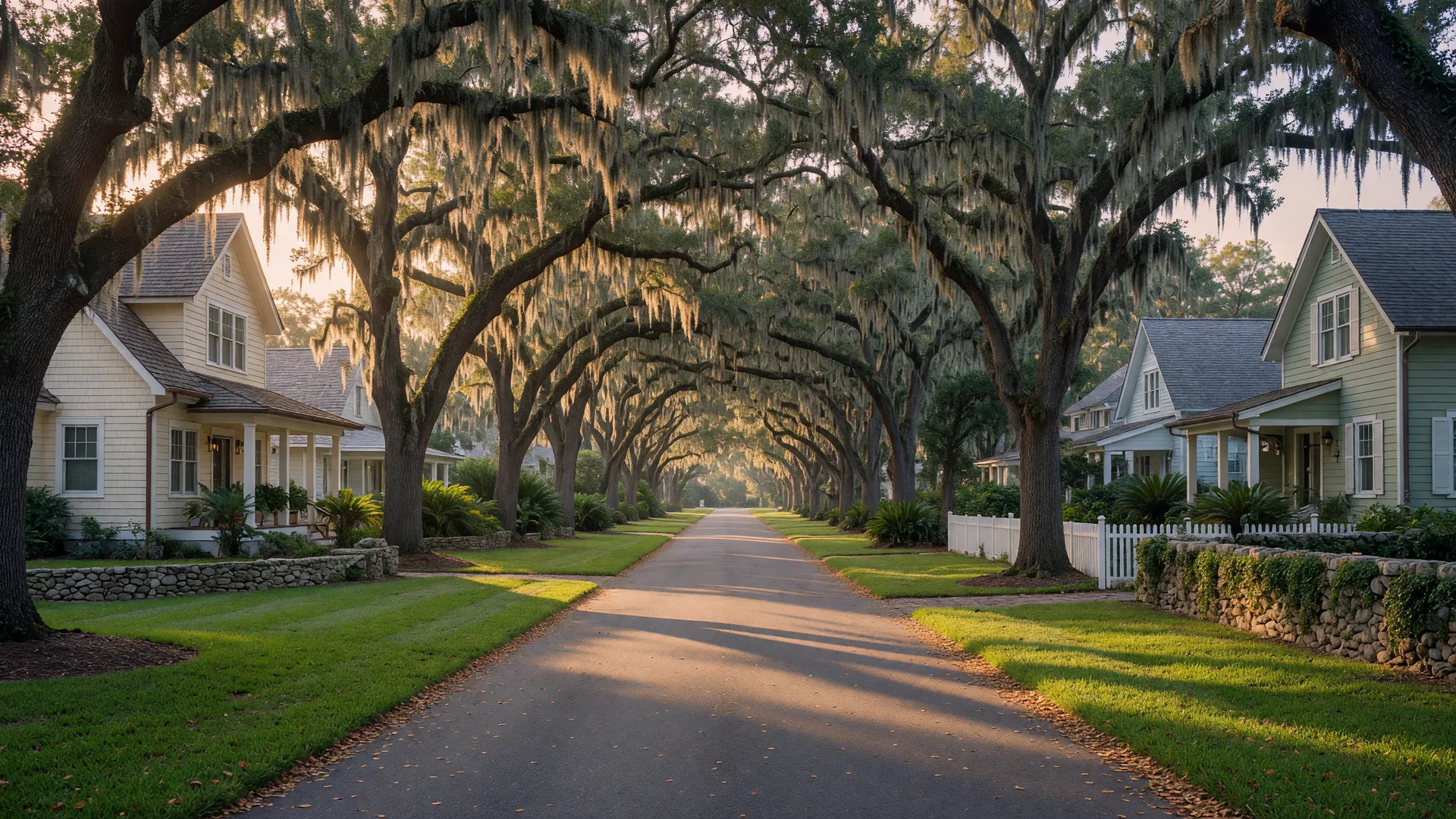
Children settle into a place they can picture. So before the move, bring the new neighborhood into your living room. Show them photos of the actual street. Pull up a video of the beach. If you're landing in Nocatee, show them the Splash Water Park with the slide tower and the lazy river, the pools and trails that come with the neighborhood. If you're leaning toward Ponte Vedra Beach, show them the surf at Mickler's and the dunes. Then let them each pick one thing to try first: swimming lessons, flag football, a skate park, a party at the community pool. A kid with one thing to look forward to is already moving forward.
Routines beat motivation in the first months
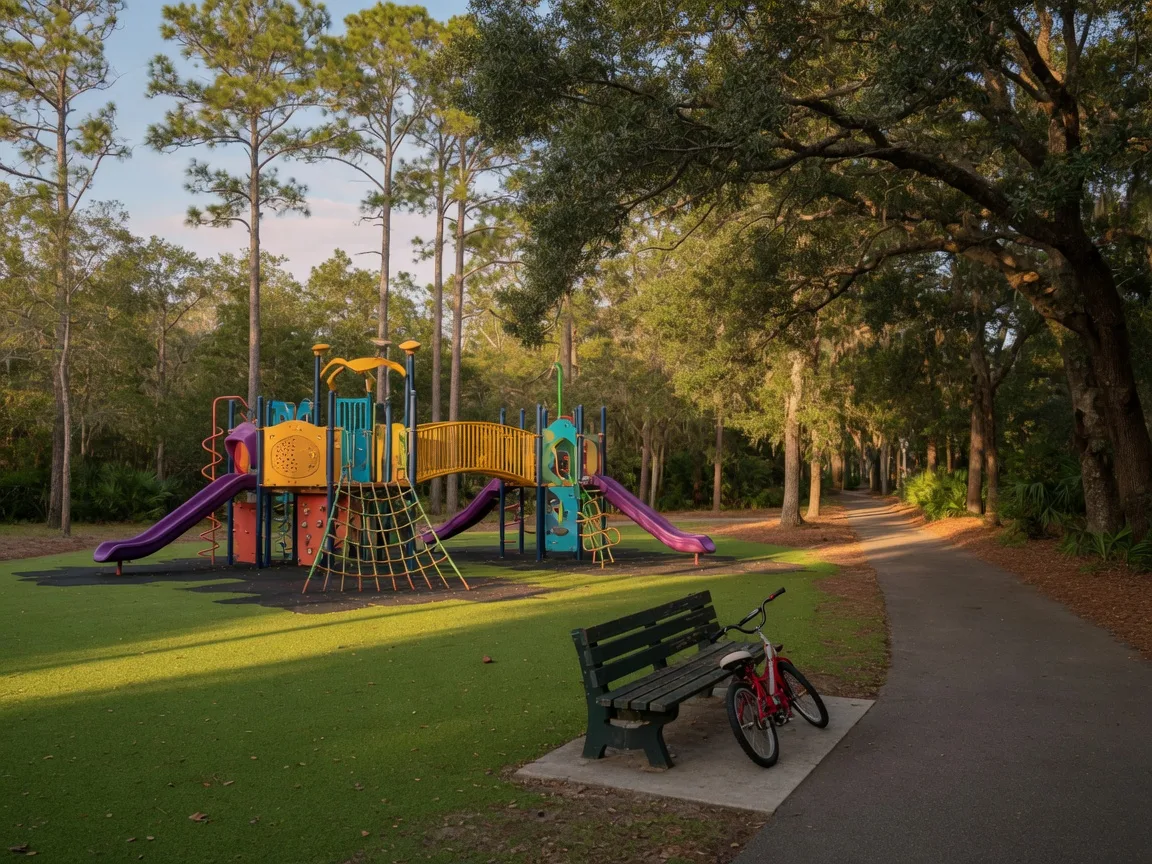
Structure is comfort when a place is brand new. The fastest way to settle kids in northeast Florida is to rebuild the weekly rhythm quickly: school drop-off, practice, dinner, the same bedtime. The YMCA at Nocatee runs youth soccer and has a kids' zone, i9 Sports runs flag football and t-ball right at Nocatee Community Park, and the playgrounds and athletic fields there are busy every afternoon. The flag football guide and what teens do in Nocatee cover the sports scene in detail. The short version: you will not struggle to find a team, a class, or a park full of kids.
For young kids, your calendar is their social calendar
Here's the thing nobody warns you about: your kids' friendships often run through you first. The fastest way to find them friends is to find your own. Say yes to the neighbor's dinner invite. Join the team-parent text thread. Show up at the pool at the same time on Saturdays. The splash park, the Nocatee Community Park playground, the YMCA lobby: that's where relocating families find each other, because everyone there is looking for the same thing. Parents who have been through a move are unfailingly kind to the family going through it now. Ask for help. It's the shortest shortcut your kids will get.
The school part deserves its own honest plan
School is the biggest social stage in a relocating kid's life, so it deserves real planning, not a hope. I won't promise you a specific school, because attendance zones in St. Johns County are set by the district's current maps and they do shift. What I can give you is the exact starting point: the district's attendance-zone lookup shows the school for any address, and the enrollment page walks through registration, residency proof, and the immunization and health records you'll need. The school zone guide explains how the system works, and the moving-during-school-year post covers the timing question. Run the zone lookup for an address before you fall for the house, not after.
Give the adjustment a real timeline
Here's the honest arc, from watching my own kids and plenty of relocating families since. Month one is a blur of boxes and new routes, and the novelty carries a lot. Months two and three are when homesickness hits hardest, right as the school routine becomes fully real and the newness fades. Most kids turn a corner somewhere between month four and six: a birthday invite, a best-friend declaration, a can-we-stay moment in the car on the way home. That isn't a failure in your plan. It's the normal curve. The families who struggle most are usually the ones who expected instant settling and panicked in month two. Give it a season before you judge it.
The honest tradeoffs nobody puts on the brochure
- You'll carry more of the emotional load in the first months than anyone warns you about. It's normal. Plan for it anyway.
- Younger kids adjust faster than you fear, and older kids slower than you hope. Teens leave more behind, so keep their old friends close: visits, video calls, a trip back.
- The first year costs real time and energy. Every activity is new, every relationship has to be built, and there's no shortcut through it.
- You'll probably second-guess the move around month three. Everyone does. It passes.
- The payoff is real but slow. A kid who finally feels at home is worth every hard month.
What I want you to hold onto
This is about so much more than a house. You're choosing the community your kids will grow up in: the schools, the teams, the neighbors, the beach days. When I help a family compare Nocatee, Ponte Vedra, and Ponte Vedra Beach, I'm thinking about what your Tuesday afternoons look like in five years, not just what the listing photos show. The right move, not just any move. And the right move includes the messy, human transition that comes with it.
If you're in the deciding stage, start with the community quiz to see which area actually fits, then book a private consultation and tell me your kids' ages and your timeline. I'll help you think through the whole picture: the zone lookup, the sports, the daily rhythm, the parts you can't Google. Or just send me your question and we'll take it from there.
Mollie says
Let's be honest. The move itself is the hard part, and you don't have to carry it alone. I've done this move with my own family, and I've guided plenty of others through it. When you're ready, bring me your kids' ages and your timeline, and we'll plan the whole thing together. That's the part of this job I love most.
Written by
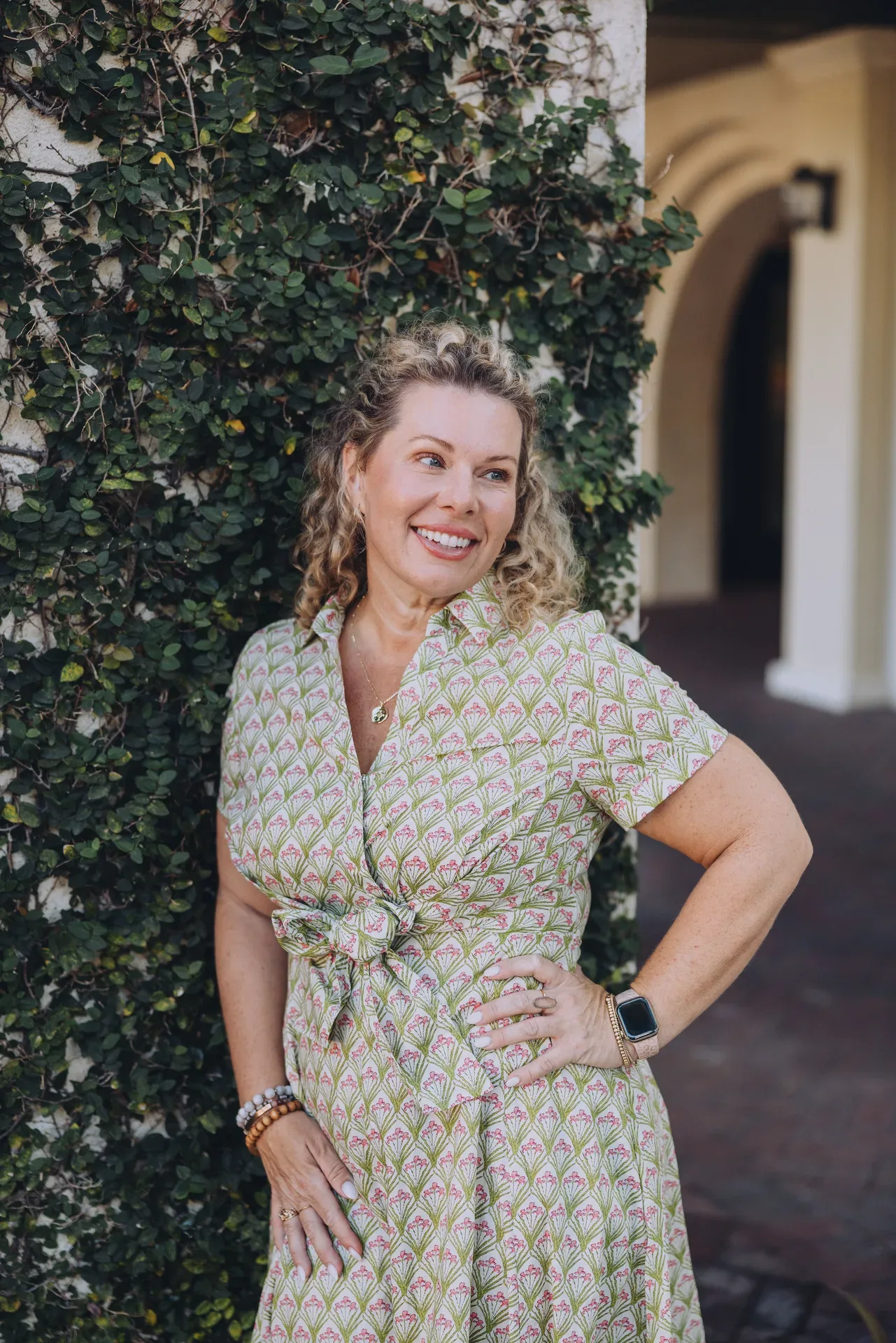
Mollie Younger
Ponte Vedra real estate advisor, dual-state broker, mother of a relocated family. 25+ years in real estate, 400+ homes sold. She sees the whole move, not just the house.
About MolliePlanning a move to northeast Florida?
Bring me your situation and I'll bring you the truth: which communities fit, what the budget math looks like, and how the whole move comes together.